
Resource Centre
Discover a wealth of knowledge and insights from the experts at StarFish Medical. Our Resource Centre offers product development tips, reviews of new and cutting-edge technologies, and in-depth articles on regulatory updates and compliance in medical device development.
-
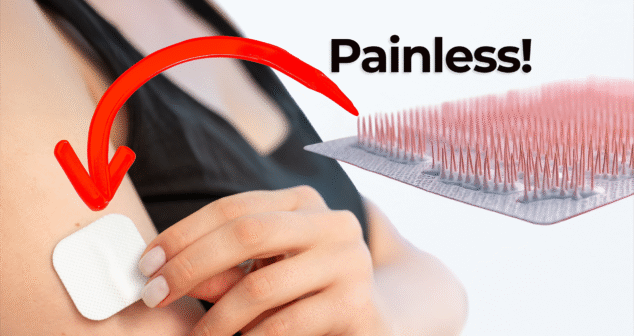
Nigel and Nick explore microneedle drug delivery—a growing field in medtech that aims to improve patient comfort and treatment compliance. While the term "microneedles" may sound futuristic, this technology has been around for years.
-
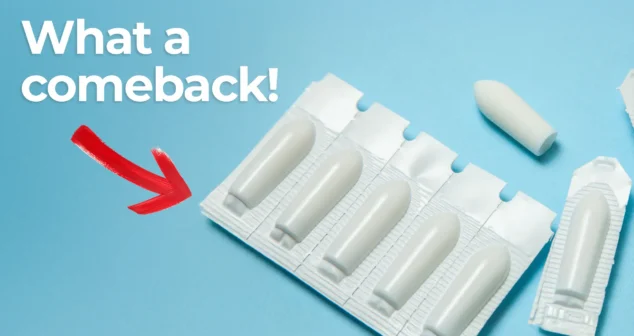
Nick and Nigel discuss an often-overlooked but increasingly relevant form of drug delivery: suppositories. While typically considered old-fashioned, suppositories are experiencing a resurgence in modern MedTech thanks to their versatility, systemic absorption benefits, and emerging formulation technologies.
-
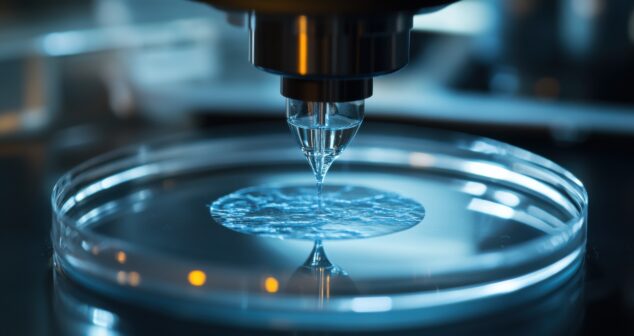
Being able to control the release rate of a target molecule is a valuable tool for engineering tissues and therapeutic delivery of regenerative medicine applications.
-
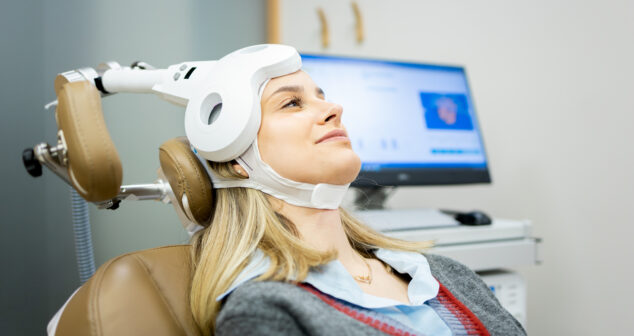
Exploration of drug-device combination therapies that are transforming the treatment of Parkinson’s, epilepsy, depression, and brain cancer.
-
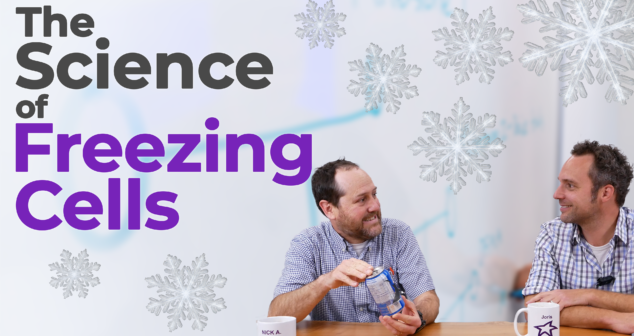
Cryopreservation is essential in biological research, regenerative medicine, and stem cell therapies. But freezing biological materials isn’t as simple as placing them in a freezer. Nick and Joris dive into this fascinating process in this episode of Bio Break, using a real-world example—Nick’s frozen beverage can, which burst due to water expansion.
-
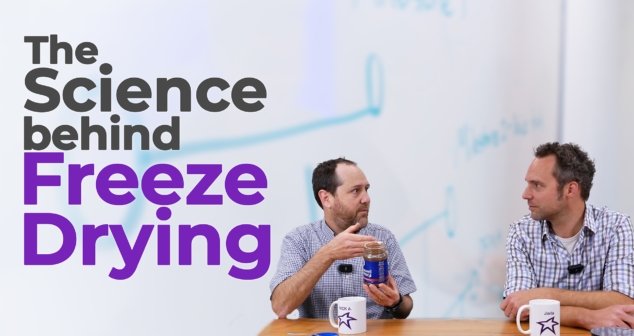
Nick and Joris dive into the fascinating world of freeze-drying, exploring how this process extends shelf life and maintains the integrity of various products—including reagents used in in vitro diagnostics and even instant coffee!
-
In this episode of Bio Break, Nick and Joris discuss the fascinating world of real-time imaging for targeted drug delivery. When delivering drugs to precise locations in the body, how do we ensure they reach the right spot? The answer lies in medical imaging technologies such as MRI, CT, and ultrasound, which play a crucial role in guiding complex drug delivery devices.
-
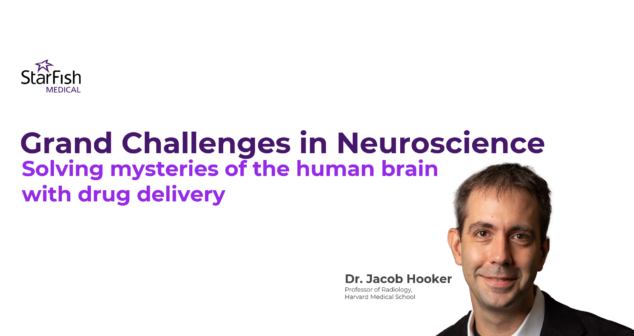
In the webinar "Grand Challenges in Neuroscience" from January 21, 2025, Dr. Jacob Hooker, Lurie Family Professor of Radiology and Scientific Director at the Lurie Center for Autism at Massachusetts General Hospital, joins Nick Allan, Bio Services Manager at StarFish Medical, to discuss some of the biggest hurdles in neuroscience today. The conversation explores the complex interplay between chemistry, biology, and medical device engineering, offering insights into the latest innovations in neurotherapeutics, molecular imaging, and non-invasive drug delivery technologies.
-
Advancements in neuroscience are reshaping our understanding of the human brain, but significant challenges remain in translating scientific breakthroughs into effective treatments….

