
Resource Centre
Discover a wealth of knowledge and insights from the experts at StarFish Medical. Our Resource Centre offers product development tips, reviews of new and cutting-edge technologies, and in-depth articles on regulatory updates and compliance in medical device development.
-
What are the real costs of developing a medical device? In this episode of Bio Break, Nick and Joris dive into one of the most frequently asked questions they hear from clients: How much does it cost to develop a medical device?
-
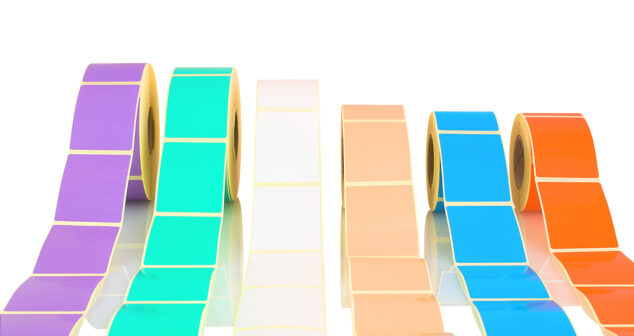
We all know medical devices have labels, but how often do we consider their purpose and the effort required to ensure they provide the right information? Device labelling serves as the interface between the manufacturer, the user, and regulatory bodies. (Note that being from Canada, we spell labelling with two Ls.)
-

Sterilization is a critical process in the medical device industry as it provides a reliable way to ensure that devices are free from harmful microorganisms when they are used on patients. This blog talks about the categories of sterilization currently used on medical devices in manufacturing settings. It also addresses concerns surrounding the use of ethylene oxide (EtO), an indispensable method for sterilizing heat and moisture sensitive devices.
-

Predicting the trends of a new year is always interesting and a bit unpredictable. We asked our medical device design and development professionals to submit their most interesting medtech trends for 2025 and the reasoning behind their prediction. The results were surprisingly focused on two major trends: Home Healthcare and Wearable Devices. Within these categories, several technologies were identified including edge computing, IoT, and connected devices. In no particular ranking, here are our 2025 predictions:
-

Pre-clinical studies and early-stage trials are some of the most challenging — and expensive — milestones in medical device development. Yet, many teams encounter avoidable setbacks that could have been prevented with strategic foresight and practical lessons learned from experience.
-
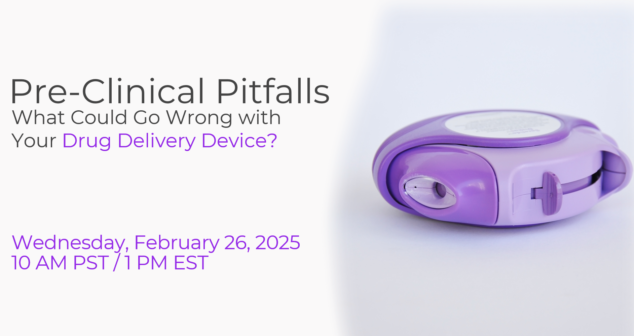
Experts discuss 3 pre-clinical pitfalls that could derail your drug delivery device. One small oversight could cost you millions in clinical delays.
-

Cryopreservation is essential in biological research, regenerative medicine, and stem cell therapies. But freezing biological materials isn’t as simple as placing them in a freezer. Nick and Joris dive into this fascinating process in this episode of Bio Break, using a real-world example—Nick’s frozen beverage can, which burst due to water expansion.
-
Common mistakes in medical device projects can create roadblocks that, if left unchecked, can snowball into costly setbacks.
-
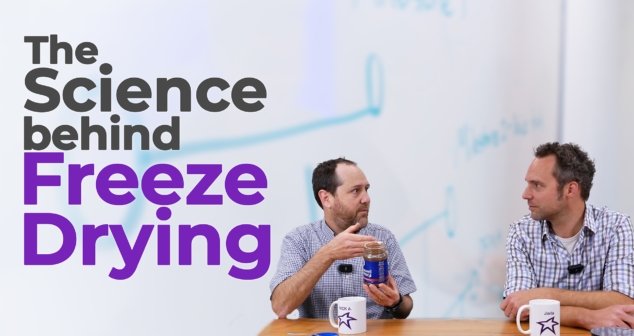
Nick and Joris dive into the fascinating world of freeze-drying, exploring how this process extends shelf life and maintains the integrity of various products—including reagents used in in vitro diagnostics and even instant coffee!

