

Understanding Medical Device Stakeholders
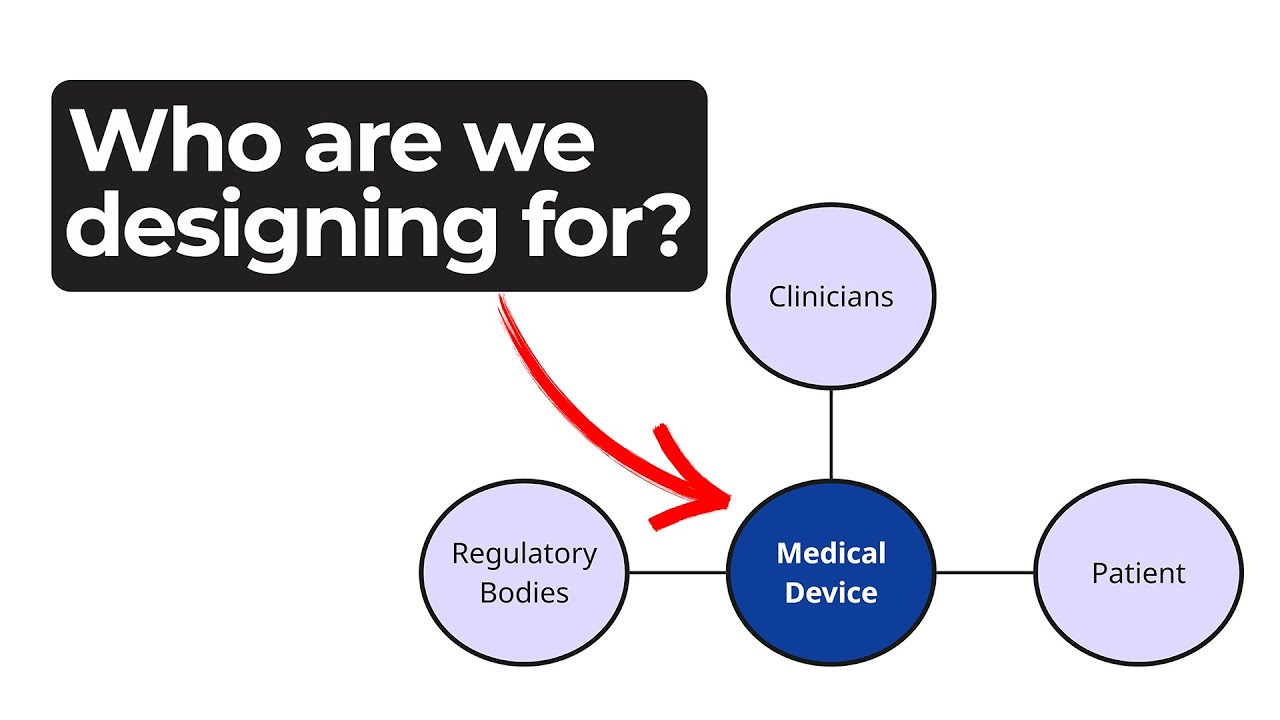
When designing a new product, identifying medical device stakeholders is a vital first step. As Ariana Wilson and Mark Drlik explain in this episode of MedDevice by Design, every phase of a device’s life cycle involves different people with distinct needs—from clinicians and patients to service technicians and regulatory bodies. Understanding who these stakeholders are and what they value helps create more effective and sustainable designs.
Mapping user needs across the product life cycle
Stakeholders influence a product’s success through purchase, adoption, use, advocacy, and sometimes even rejection. By mapping all involved parties—assembly teams, procurement, distributors, maintenance staff, and end users—designers can visualize where interests overlap or diverge. This mapping process allows teams to identify conflicting needs early and guide design tradeoffs before they become barriers to usability or compliance.
Balancing conflicting stakeholder needs
As Wilson points out, user needs often conflict. A facilities manager may prioritize infection control, while a biomed technician may need quick access for repairs. These needs seem opposed, but they stem from shared goals: safety and efficiency. Recognizing the core requirement behind each helps designers uncover creative ways to satisfy both. Drlik adds that thoughtful design, combined with iterative feedback, can resolve these tensions and sometimes inspire entirely new solutions.
From user insights to design innovation
By interpreting and negotiating stakeholder needs, designers transform requests into actionable design requirements. This process keeps teams focused on solving real problems rather than simply responding to feature requests. As the discussion highlights, creative solutions often emerge when designers fully understand the perspectives of all medical device stakeholders.
Enjoying MedDevice by Design? Sign up to get new episodes sent to your inbox.
Related Resources

Nigel Syrotuck breaks down REACH SVHC compliance for teams working with material suppliers and compliance questionnaires.

We examine when computational modelling and simulation, or CM&S, genuinely supports medical device simulation strategy and when it becomes a costly detour.
Many teams still underuse CM&S, often bringing it late in device validation, when key decisions have already been made. That approach leaves much of the value of CM&S untapped.

This article traces the Pennes bioheat equation from its 1948 origins to modern multiscale approaches, explaining how engineers select the right level of modelling complexity across device categories.