

How Brain-Computer Interfaces Are Mapping the Future of Neurotechnology
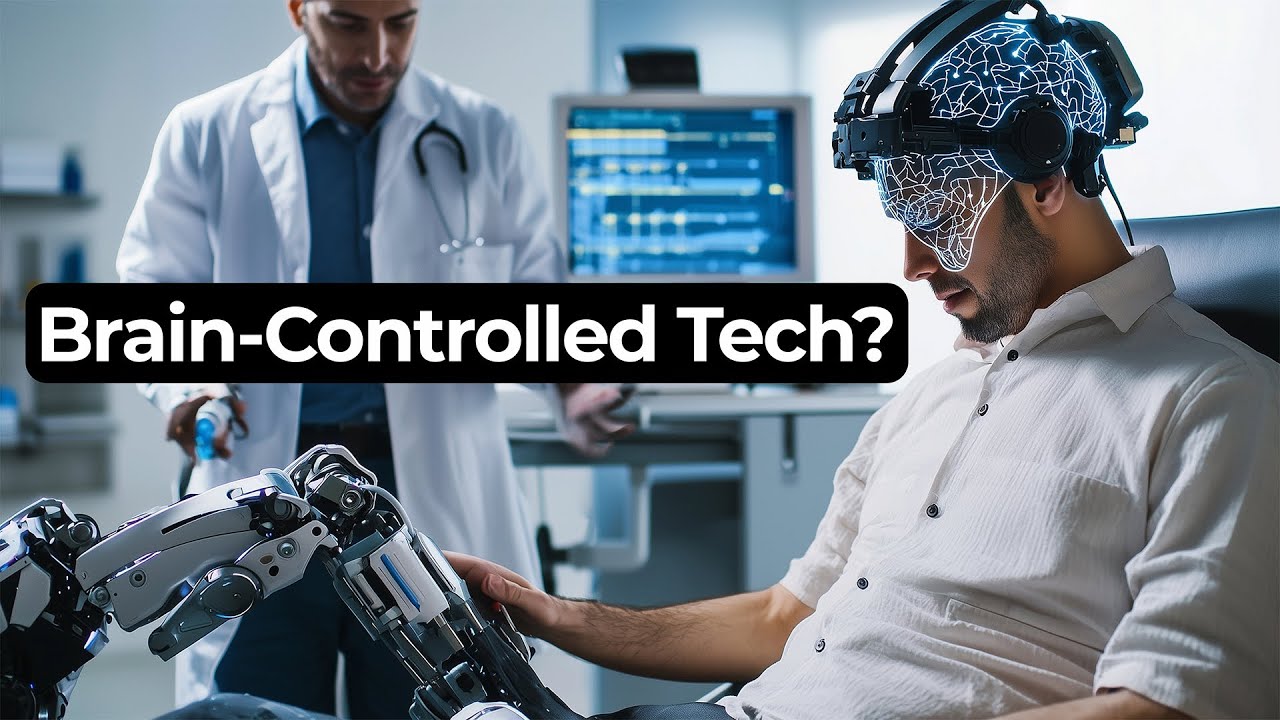
Brain-computer interfaces sound like science fiction, but the research is moving fast. In this episode of MedDevice by Design, Mark walks Ariana through how BCIs work, what makes them technically difficult, and where the technology is being applied today, including one Meta study that caught his attention.
What Is a Brain-Computer Interface?
A BCI measures electrical signals in the brain and maps them to associated actions. Many BCIs use EEG to detect these signals from outside the skull, identifying patterns in which areas of the brain activate when a person thinks about a specific action, then translating those patterns into the corresponding action. It is fundamentally about detecting trends and recognizing patterns in brain activity.
Non-invasive EEG-based systems that read signals through the skull produce noisier data than implanted approaches. Neuralink represents the implanted end of the spectrum, packing a high density of sensors into a tight volume inside the brain, which produces cleaner signal capture than external EEG.
Key Technical and Ethical Challenges
Mark identifies several challenges associated with BCIs. Data privacy is a significant concern, given that BCIs collect neurological data and carry ethical implications around how that data is used. User variability is another factor, since everyone’s brain works a little differently. Signal noise is an ongoing challenge, particularly for non-invasive EEG systems reading through the skull.
Processing speed adds another layer of complexity. The brain has 86 billion neurons generating between one and 100 million action potentials per second, transmitted at speeds up to 120 meters per second, roughly the speed of a Formula 1 car. BCIs are attempting to catch and translate those signals in real time.
What Caught Mark’s Attention: The Meta Keystroke Study
Mark flags a Meta publication where researchers attempted to predict keystrokes based on EEG signals. They achieved approximately 70 to 80 percent accuracy. He notes this as an example of the growing body of literature emerging in the BCI space.
Where BCIs Are Being Applied
Current applications include neurorehabilitation, with people with paralysis or ALS using BCI devices, as well as gaming and VR. Non-medical applications are also developing. The technology is still being developed across all of these areas. For those wanting to follow the space, Mark points to the open source platform OpenBCI, research coming out of MIT and Stanford, Neuralink, and the broader publications landscape.
What this episode covers
- How BCIs work: measuring electrical signals in the brain and mapping patterns of brain activity to associated actions using EEG
- The difference between non-invasive EEG systems, which read signals through the skull with more noise, and implanted approaches like Neuralink, which capture denser, cleaner signal in a tighter volume
- The key challenges Mark identifies: data privacy and ethical concerns, user variability across individuals, signal noise in non-invasive systems, and the processing challenge of capturing signals firing at up to 100 million action potentials per second at speeds up to 120 meters per second
- A Meta study Mark highlights where researchers predicted keystrokes from EEG signals with approximately 70 to 80 percent accuracy
- Current BCI applications including neurorehabilitation for people with paralysis or ALS, gaming, VR, and a range of non-medical uses
- Where to follow the space: OpenBCI, research from MIT and Stanford, Neuralink, and the growing publications landscape
Enjoying MedDevice by Design? Sign up to get new episodes sent to your inbox.
Related Resources

The hourly rate is only a starting point when you choose a medical device engineering firm. Learn how to judge team staffing, in-house disciplines, facilities, ISO 13485 scope, and track record before you sign.

Medtech leaders expect connected products to take over their portfolios within five years. Three years of actual FDA clearance filings show a real climb, just a much more gradual one.

Learn why supply chain, process, cost, and quality gaps stall cleared devices, and why they are decided during design.

From skipping the doers to estimating toward a target budget, these ten project estimation pitfalls explain why good estimates go wrong and what to do instead.