

Global Drug Delivery Challenges Explained
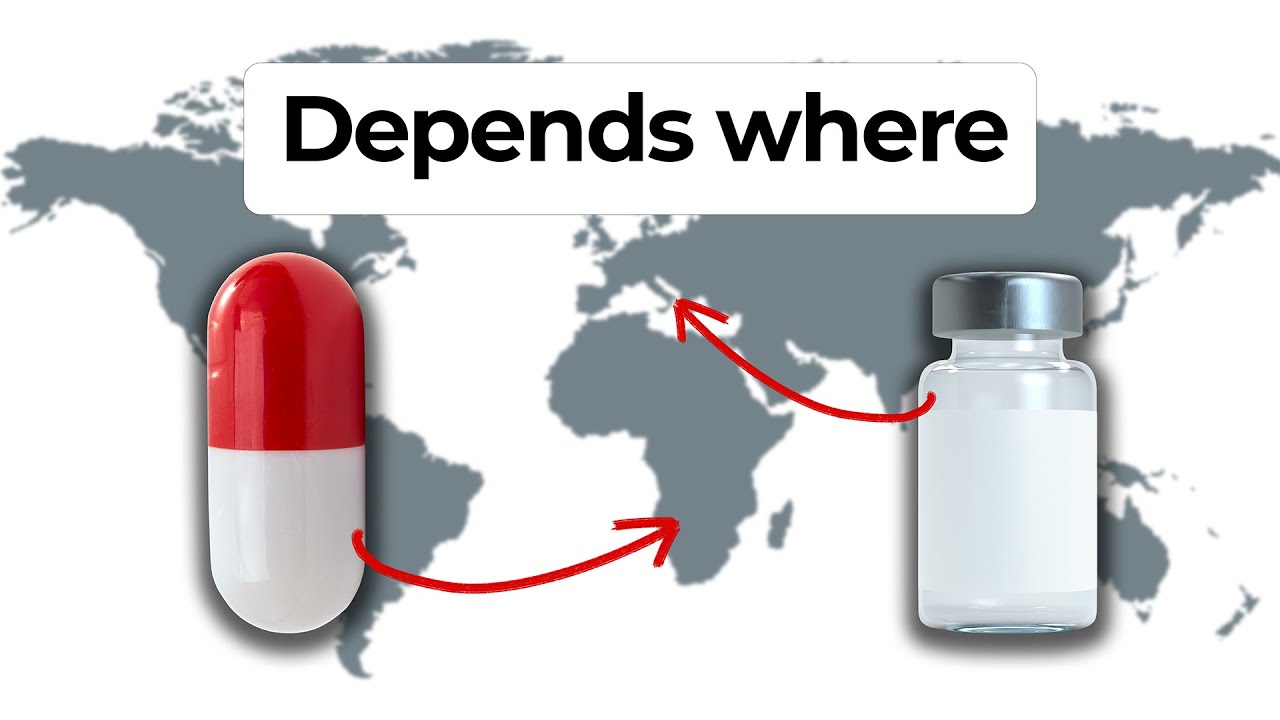
In this episode of Bio Break, Nick Allan and Nigel Syrotuck dive into the surprising realities of global drug delivery. While medical devices often dominate development conversations, the way drugs are delivered across regions can dramatically change how treatments succeed — or fail.
Nigel reflects on a trip to Italy where food sparked thoughts about oral drug delivery. In regions like Italy, pills and tablets are the most common approach. Larger countries also tend to prefer simple, scalable methods such as pills or injections. By contrast, smaller regions may be more open to specialized treatments that require more time or unique handling.
Regional Differences in Drug Delivery
Drug delivery methods are influenced not just by culture, but also by economics, insurance systems, and infrastructure. For example, biosimilars are more readily accepted in some countries depending on reimbursement structures. Meanwhile, large-scale programs — such as vaccine rollouts — highlight how fragile supply chains can be.
Cold Chain and Pandemic Lessons
Certain drugs, including attenuated vaccines, require strict cold chain maintenance. In developing regions, this presents a major challenge. The COVID-19 pandemic underscored this issue when millions of doses expired due to distribution and storage limitations. As Nick and Nigel note, a drug designed for one part of the world may face barriers to adoption in another, depending on the delivery method.
Enjoying Bio Break? Sign up to get new episodes sent to your inbox.
Related Resources

Nigel Syrotuck breaks down REACH SVHC compliance for teams working with material suppliers and compliance questionnaires.

We examine when computational modelling and simulation, or CM&S, genuinely supports medical device simulation strategy and when it becomes a costly detour.
Many teams still underuse CM&S, often bringing it late in device validation, when key decisions have already been made. That approach leaves much of the value of CM&S untapped.

This article traces the Pennes bioheat equation from its 1948 origins to modern multiscale approaches, explaining how engineers select the right level of modelling complexity across device categories.