
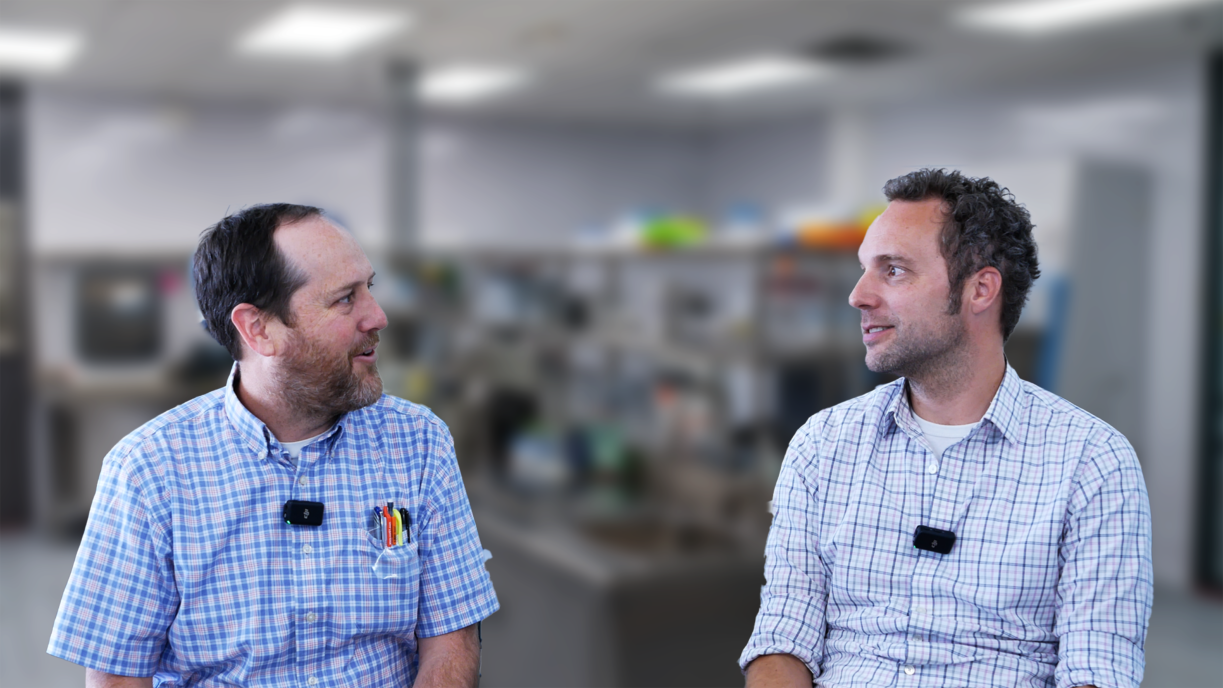
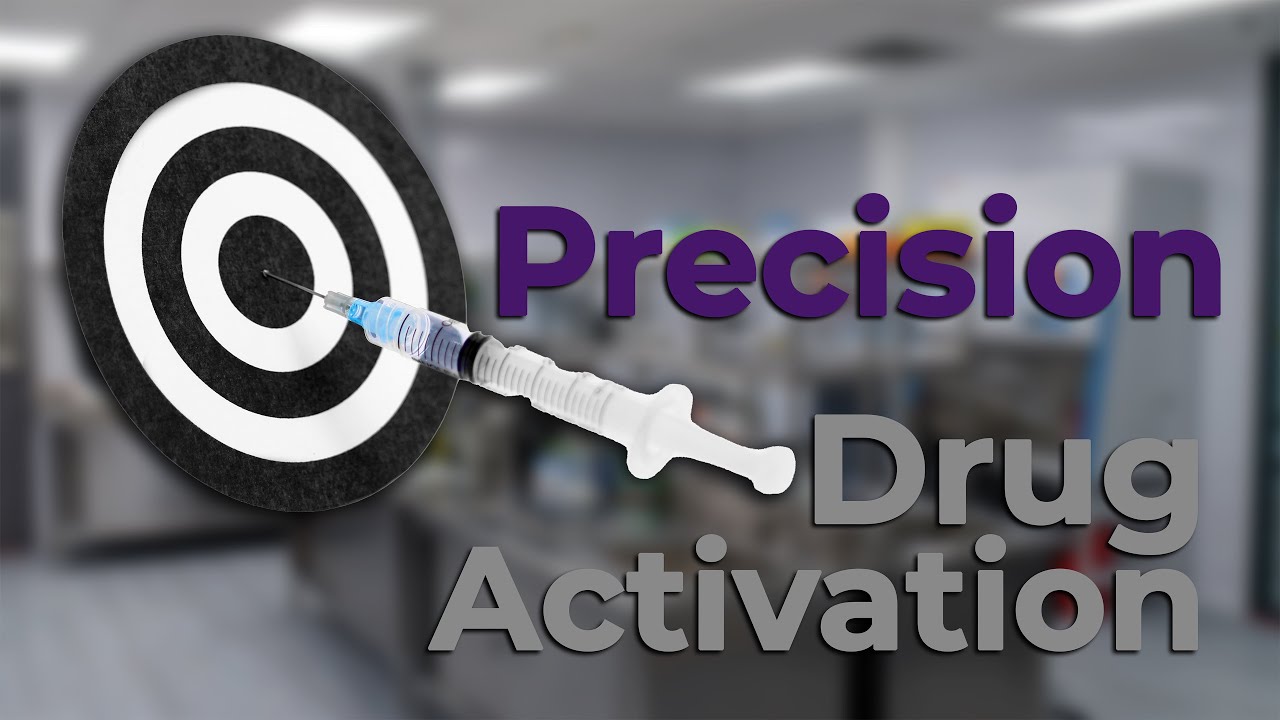
Bio Break: Drug Activation Devices
In this episode of Bio Break, Joris van der Heijden and Nick Allan discuss an advanced category of combination devices: drug activation devices. Unlike drug delivery devices that transport medication to specific locations, drug activation devices ensure the drug becomes active precisely where it is needed in the body, reducing systemic side effects and enhancing therapeutic effectiveness.
Joris introduces the concept with examples of conditions, like tumors, where localized activation is critical. Instead of activating the drug systemically, these devices target specific areas to trigger the drug, ensuring precise treatment and minimizing harm to healthy tissues.
Key takeaways from the episode include:
- Drug Activation Strategies: Joris highlights cutting-edge technologies used to activate drugs, such as:
- MRI Activation: Using lipid nanoparticles engineered to break apart and release medication when triggered by MRI signals.
- Ultrasound: Facilitating drug uptake at the targeted location using focused ultrasound energy.
- Light Activation: Utilizing photosensitive drugs activated through light delivered via implants or specialized devices.
- Practical Applications: Nick shares an example of a project involving photodynamic therapy for dental treatments. A device delivered the drug into the tooth pocket, and light at a specific wavelength activated the medication, releasing antimicrobial free radicals to treat infections effectively.
The discussion highlights how drug activation devices combine engineering precision and pharmaceutical innovation to achieve highly targeted therapy. Joris and Nick emphasize the growing importance of these solutions in tackling challenges posed by complex conditions like tumors or localized infections.
The episode concludes with a preview of future topics, including ultrasonic drug activation, hinting at further exploration of emerging technologies in combination devices.
This episode is a must-watch for medical device developers, pharmaceutical innovators, and healthcare professionals interested in advanced therapeutic solutions. Discover how drug activation devices are revolutionizing precision medicine and pushing the boundaries of targeted treatments.
Drug Activation Devices
Related Resources

Nigel Syrotuck breaks down REACH SVHC compliance for teams working with material suppliers and compliance questionnaires.
We examine when computational modelling and simulation, or CM&S, genuinely supports medical device simulation strategy and when it becomes a costly detour.
Many teams still underuse CM&S, often bringing it late in device validation, when key decisions have already been made. That approach leaves much of the value of CM&S untapped.

This article traces the Pennes bioheat equation from its 1948 origins to modern multiscale approaches, explaining how engineers select the right level of modelling complexity across device categories.