
Bio Break: Core Facilities for Medical Device Development
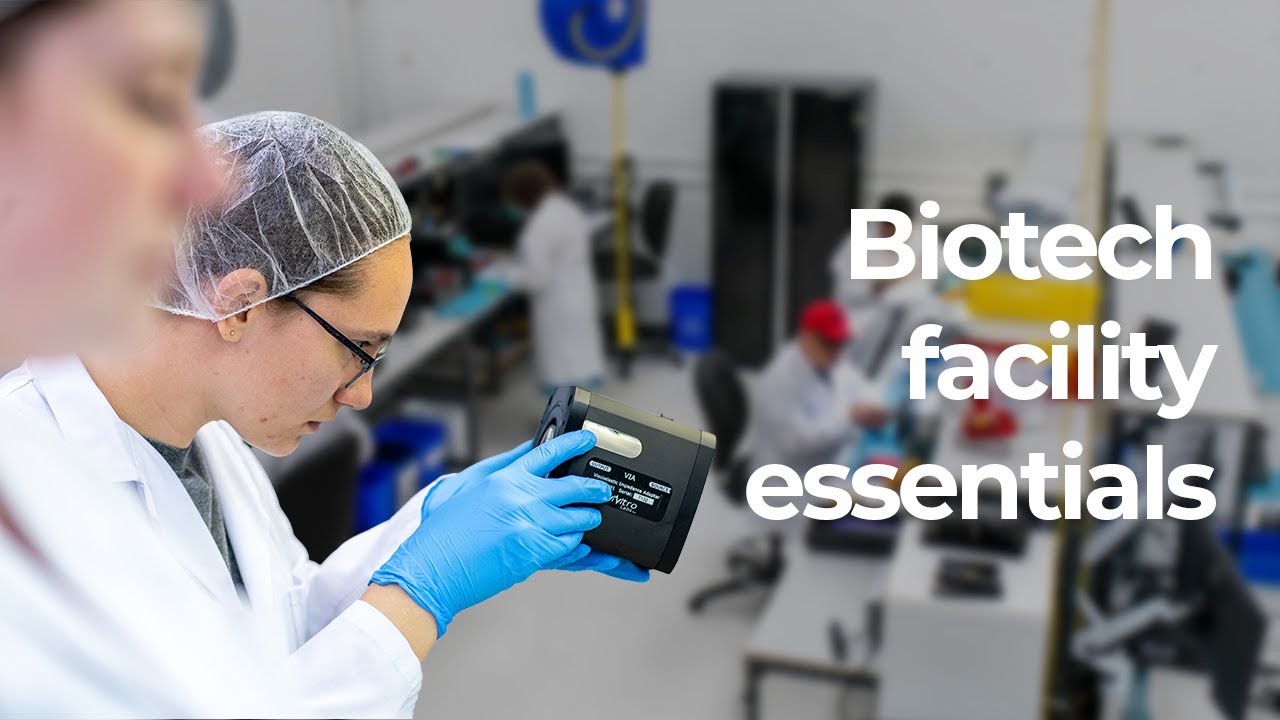
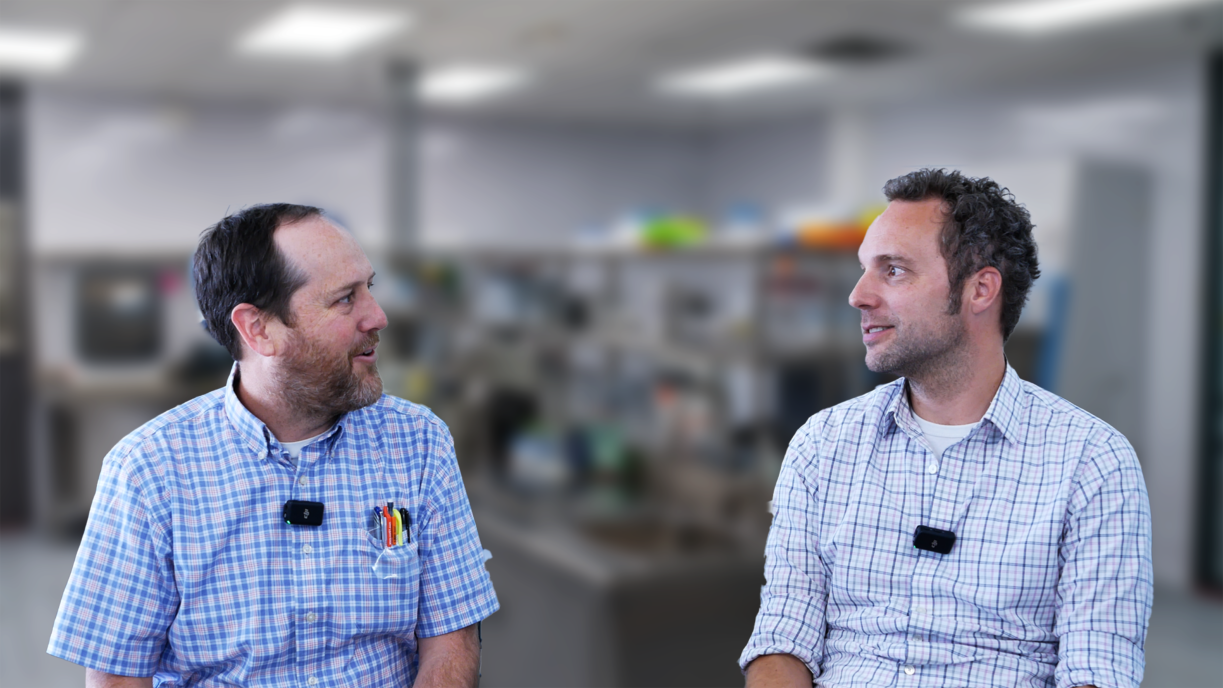
Building a medical device requires more than engineering. It requires the right physical infrastructure at the right stage of development. In this episode of Bio Break, Nick and Joris discuss the two primary facility types involved in medical device development, biosafety laboratories and clean rooms, and how to think about matching facility requirements to your target product profile.
Biosafety Levels: Containment for Biological Work
When working with biological materials, the appropriate lab environment depends on the risk level of what you are handling. Nick walks through the four biosafety levels, from BSL-1, which covers lower-risk organisms like E. coli, through BSL-2 for materials that can cause illness at sufficient exposure, to BSL-3 for highly infectious agents like tuberculosis, which require shower-in and shower-out protocols and full containment. BSL-4, reserved for agents like Ebola, requires positive pressure suits and is handled at only one facility in Canada, located in Winnipeg.
At Starfish Medical, BSL-2 is the working standard, suited to the diagnostic and assay work being done at the preclinical and early clinical stages.
Clean Rooms: Controlled Environments for Assembly
Separate from biosafety containment, clean rooms address particulate control during device assembly. ISO classifications run from ISO 8, which allows a defined particle count above room air, down toward ISO 1, which requires ultra-clean air and specialized suits. As with biosafety levels, Nick’s framing is the same: match the classification to what your product actually requires rather than defaulting to the most stringent option available.
Matching Facilities to Your Development Stage
Joris draws a useful distinction between these two facility types: biosafety labs are primarily testing environments used during development, while clean rooms support assembly and production. Nick reinforces this by describing Starfish Medical’s focus on the preclinical and early clinical phase sweet spot, producing smaller unit volumes for early clinical trials and verification and validation work, rather than scaling to full production.
The throughline across both facility types is the target product profile. The right facility is the one that matches the risk level and development stage of the specific device being built.
What this episode covers
- Nick’s framing that biomedical engineers need proper containment labs just as mechanics need a properly equipped garage, with the right setup for the specific work being done
- An overview of the four biosafety levels, from BSL-1 for lower-risk organisms through BSL-4 for agents like Ebola, and what each level requires in terms of containment and protective equipment
- Starfish Medical’s use of BSL-2 as its facility standard for preclinical and early clinical phase work
- ISO clean room classifications ranging from ISO 8 through ISO 1, and how the appropriate level depends on what is being assembled
- Joris’s distinction between biosafety labs as testing environments and clean rooms as assembly and production environments
- Nick’s description of Starfish Medical’s focus on the preclinical and early clinical phase sweet spot, producing smaller unit volumes for early trials and verification and validation work
Related Resources

Nigel Syrotuck breaks down REACH SVHC compliance for teams working with material suppliers and compliance questionnaires.
We examine when computational modelling and simulation, or CM&S, genuinely supports medical device simulation strategy and when it becomes a costly detour.
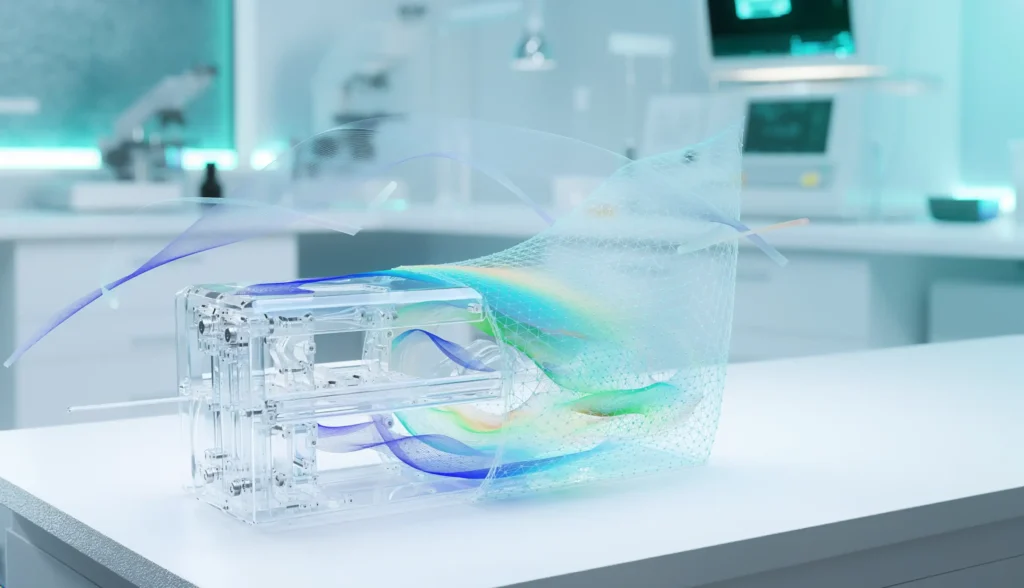
Many teams still underuse CM&S, often bringing it late in device validation, when key decisions have already been made. That approach leaves much of the value of CM&S untapped.

This article traces the Pennes bioheat equation from its 1948 origins to modern multiscale approaches, explaining how engineers select the right level of modelling complexity across device categories.