
ADLM Diagnostics Innovation and COVID Testing
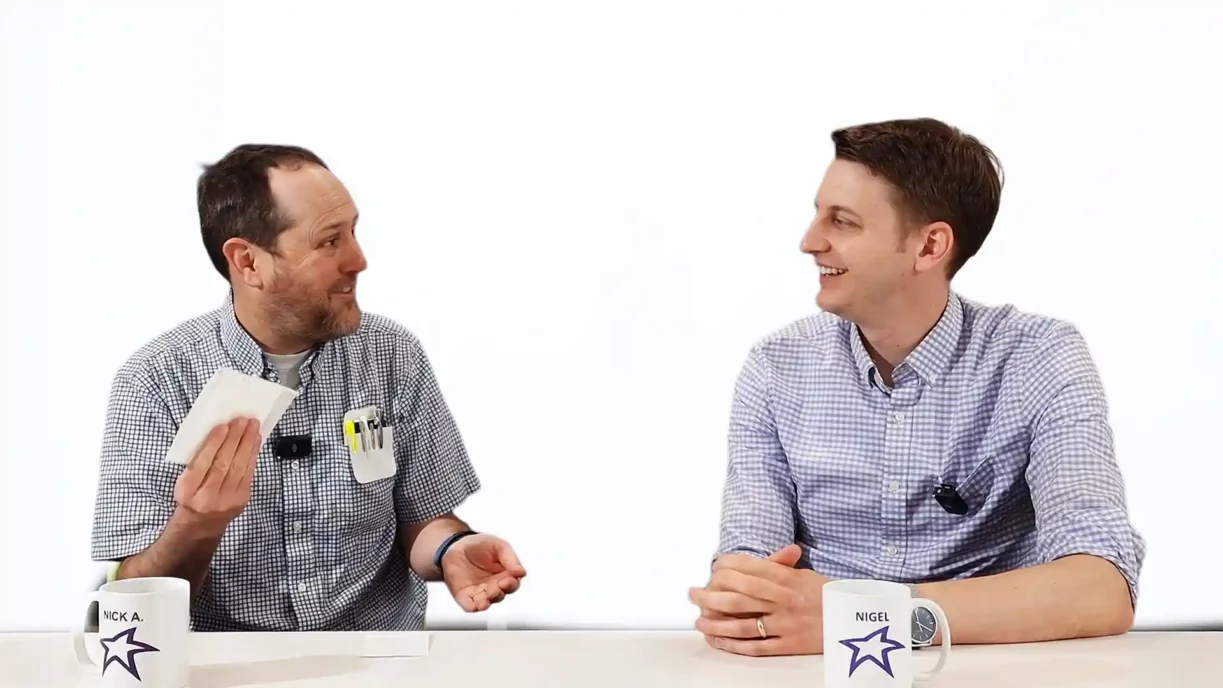
In this Bio Break episode, Nick Allan and Nigel Syrotuck reflect on recent ADLM diagnostics innovation and how it has shaped the future of clinical testing. The Association for Diagnostics & Laboratory Medicine (ADLM) recently wrapped its annual showcase in Chicago, and as always, it left a strong impression on the medtech community.
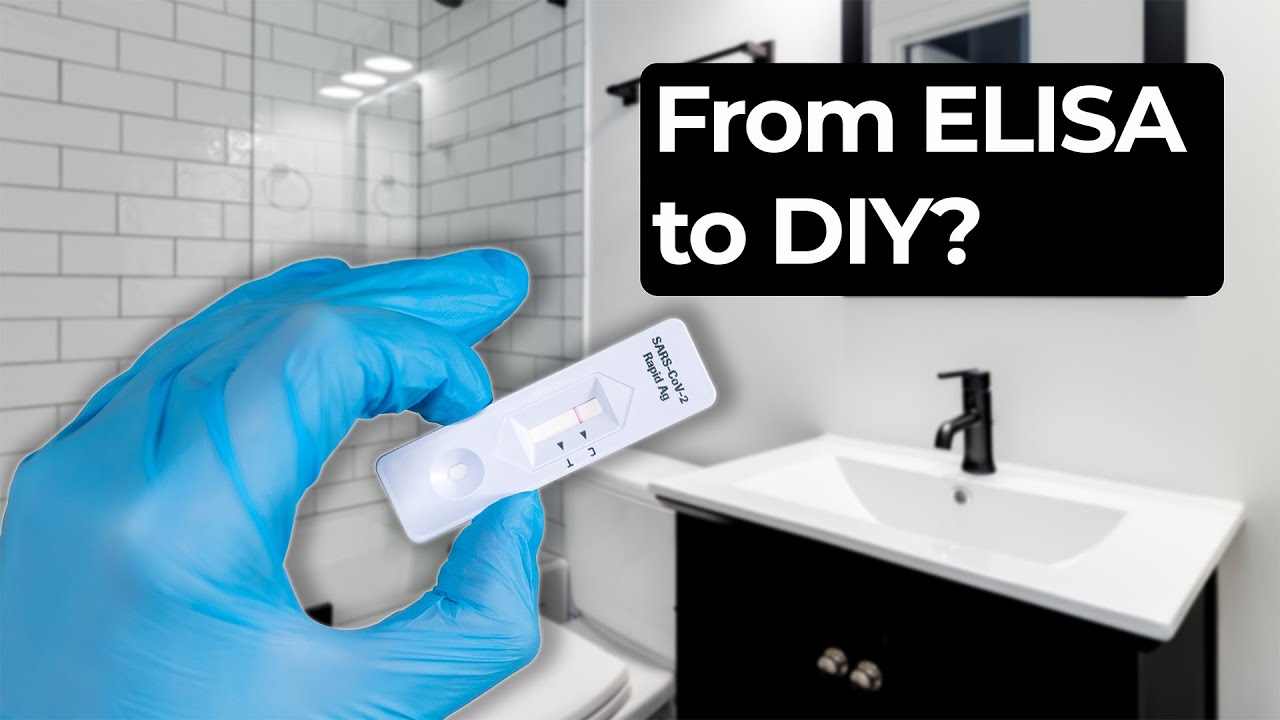
While discussing highlights from the show, Nick and Nigel zero in on a perfect case study of ADLM diagnostics innovation: the evolution of COVID-19 testing. From the early days of enzyme-linked immunosorbent assays (ELISAs) to the familiar lateral flow tests we now perform at home, diagnostics have become faster, simpler, and more accessible. This transformation—from complex lab environments to point-of-care and even bathroom-counter diagnostics—was on full display at ADLM.
From the Lab to the Bathroom Counter
As Nick points out, one of the most remarkable shifts in diagnostics is how complicated procedures have been distilled into everyday routines. What once required trained technicians in controlled environments can now be done at home, often with little more than a test strip and a timer. The lateral flow transformation is a clear example of how ADLM’s influence and technology leadership help shape the direction of consumer-friendly diagnostics.
Related Resources

Nigel Syrotuck breaks down REACH SVHC compliance for teams working with material suppliers and compliance questionnaires.
We examine when computational modelling and simulation, or CM&S, genuinely supports medical device simulation strategy and when it becomes a costly detour.
Many teams still underuse CM&S, often bringing it late in device validation, when key decisions have already been made. That approach leaves much of the value of CM&S untapped.
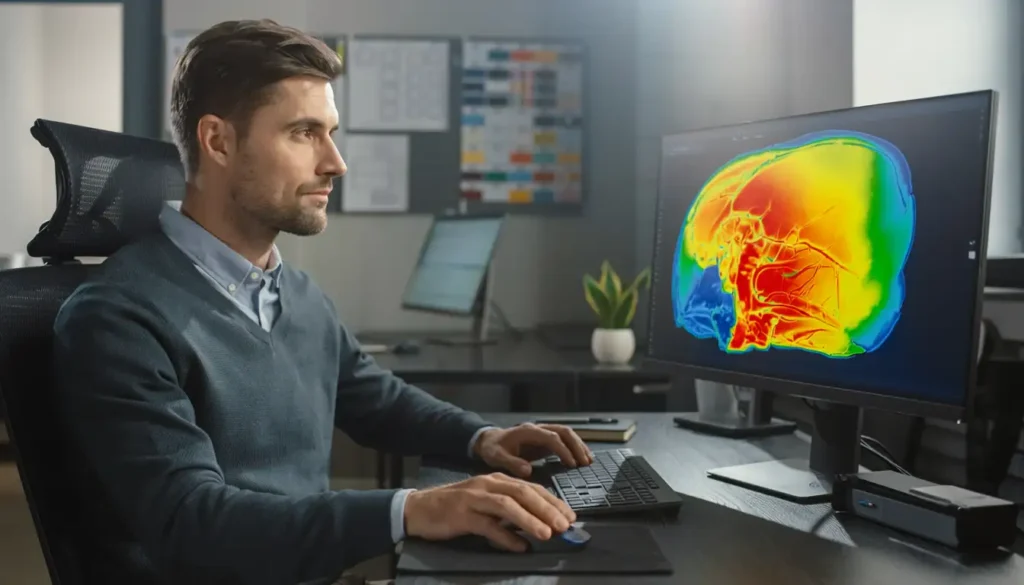
This article traces the Pennes bioheat equation from its 1948 origins to modern multiscale approaches, explaining how engineers select the right level of modelling complexity across device categories.