

Theranostics Delivery Workflow: Why the Technology Is Ahead of the System
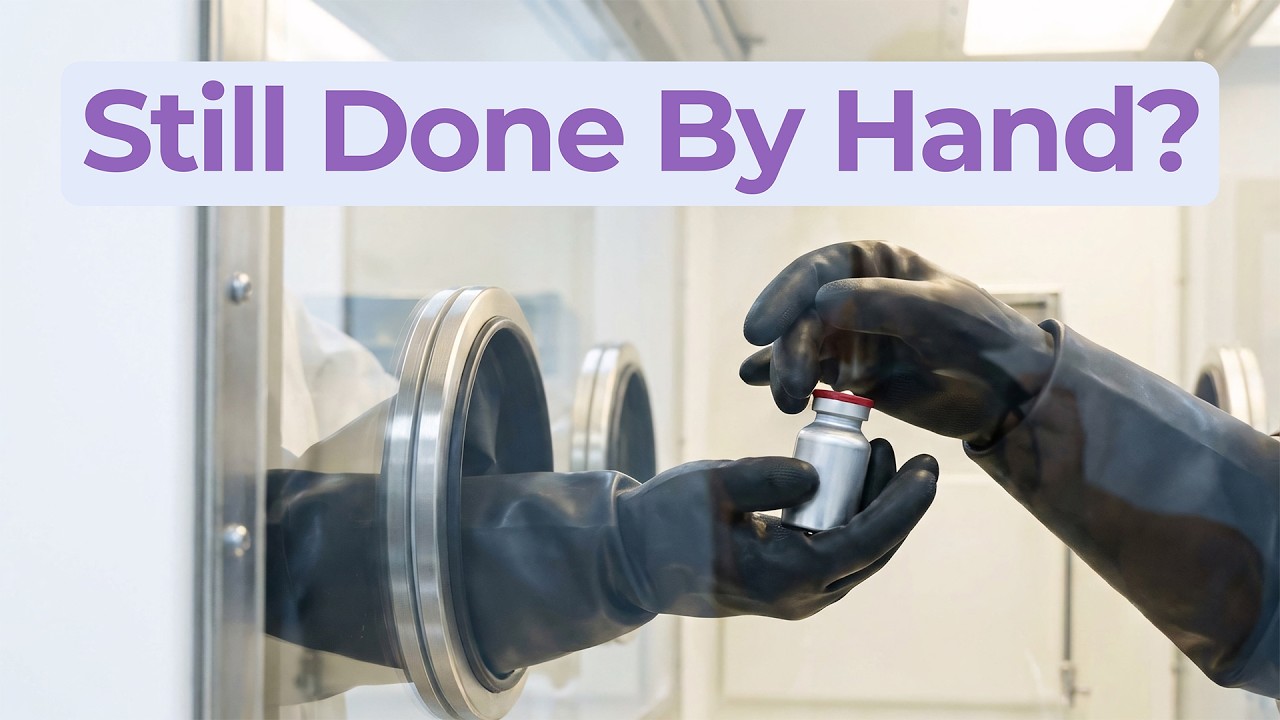
Theranostics combines diagnosis and therapy into a single targeting system, using one ligand to attach to two different radioactive payloads, one for imaging and one for treatment. It represents a significant shift in how cancer is being identified and treated. But the theranostics delivery workflow tells a different story.
In this episode of MedDevice by Design, the conversation goes beyond what theranostics is and into where the operational reality starts to break down.
What Theranostics Delivery Actually Looks Like in Practice
In North America, a significant portion of theranostics handling remains manual. Isotopes arrive at the hospital, and from that point, much of the dosimetry and administration is done by hand. The diagnostic procedures and the therapies frequently happen in different parts of the hospital entirely, adding coordination complexity to an already time-sensitive process.
What sounds like a precision medicine workflow is, in many cases, held together by manual steps and staff responsibility rather than automated systems.
Where the Theranostics Workflow Starts to Create Tradeoffs
The challenge is that many of the variables involved actively work against each other. More shielding improves radiation safety but makes systems heavier and less maneuverable. Tighter traceability adds oversight but increases burden on staff. Radioactive elements decay continuously, meaning timing is not a preference but a hard constraint.
These tradeoffs compound as patient volumes increase. Workflows that evolved for low-volume, highly personalised treatments are now being asked to scale. The implications of that shift are not straightforward.
Why the Gap Between Therapy and Delivery Is the Problem Worth Watching
The drug side of theranostics has moved quickly. The delivery systems, particularly in North America, have not kept pace. That gap is where the most consequential operational and engineering questions currently sit.
The full conversation unpacks what that gap looks like in practice and where the industry is heading to close it.
Enjoying MedDevice by Design? Sign up to get new episodes sent to your inbox.
Related Resources

Nigel Syrotuck breaks down REACH SVHC compliance for teams working with material suppliers and compliance questionnaires.

We examine when computational modelling and simulation, or CM&S, genuinely supports medical device simulation strategy and when it becomes a costly detour.
Many teams still underuse CM&S, often bringing it late in device validation, when key decisions have already been made. That approach leaves much of the value of CM&S untapped.

This article traces the Pennes bioheat equation from its 1948 origins to modern multiscale approaches, explaining how engineers select the right level of modelling complexity across device categories.