

Understanding Contrast Agents in Imaging
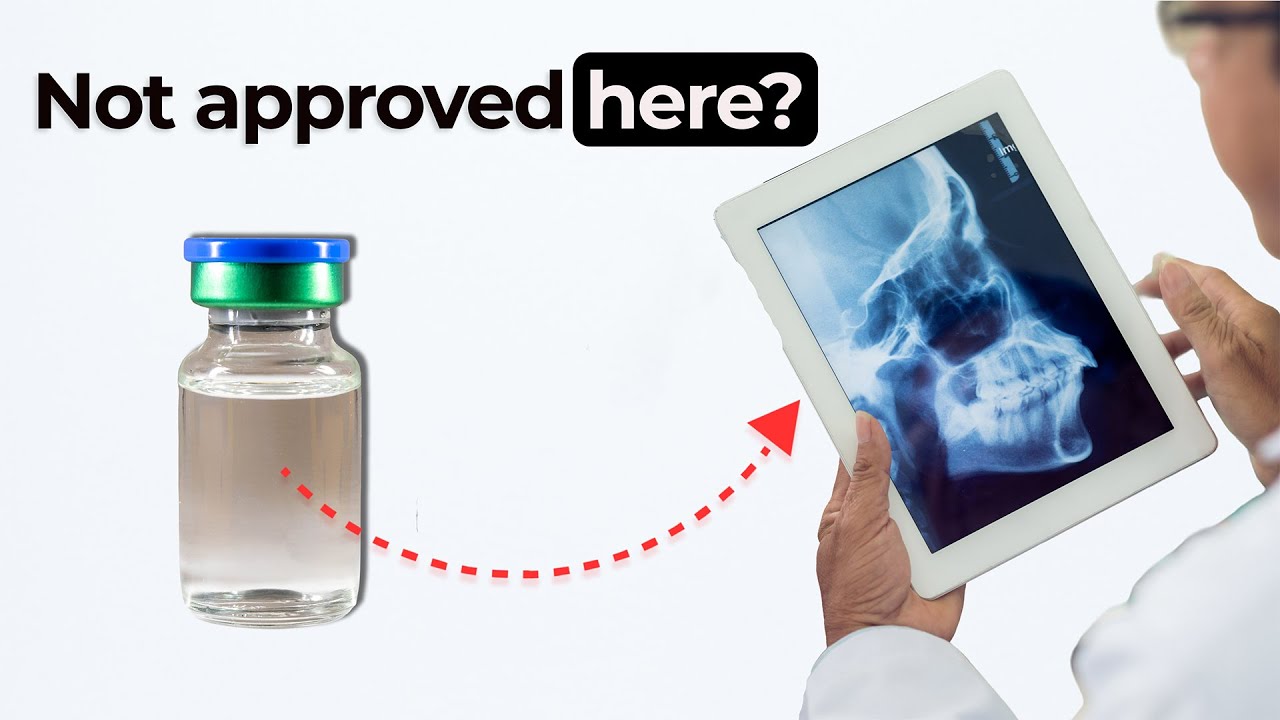
In this episode of Bio Break, Nigel and Nick explore how contrast agents in imaging support medical device trials and diagnostics. While bones appear clearly in standard X-rays, soft tissues like those in the nasal cavity often require contrast agents to become visible. These agents enhance the effectiveness of imaging by highlighting specific anatomical features.
Nick shares how contrast is key to delivering drugs precisely, while Nigel explains the challenges of finding approved contrast agents for delicate regions like the nasal passages. They describe trials involving soft tissue imaging and how regulatory concerns can slow adoption. The issue isn’t always about safety or performance—it’s about risk mitigation. If a contrast agent lacks a predicate or history of use in a specific body region, developers face extra hurdles to prove it’s safe and effective.
Barium salts come up as a classic example of a commonly approved agent, although not all are pleasant to work with. The episode also reflects on how these small details—like tissue compatibility or long-term absorption—impact trial design and device approval.
As always, Nigel and Nick keep it light while highlighting the complexities engineers face when designing trials that involve advanced imaging and anatomical targeting.
Want more on material testing or clinical trials? Watch our episode on drop testing medical devices or learn how sterilization methods impact device usability and safety.
Related Resources

Nigel Syrotuck breaks down REACH SVHC compliance for teams working with material suppliers and compliance questionnaires.

We examine when computational modelling and simulation, or CM&S, genuinely supports medical device simulation strategy and when it becomes a costly detour.
Many teams still underuse CM&S, often bringing it late in device validation, when key decisions have already been made. That approach leaves much of the value of CM&S untapped.

This article traces the Pennes bioheat equation from its 1948 origins to modern multiscale approaches, explaining how engineers select the right level of modelling complexity across device categories.