

Injection Pain Reduction with Suction: A Simple Solution
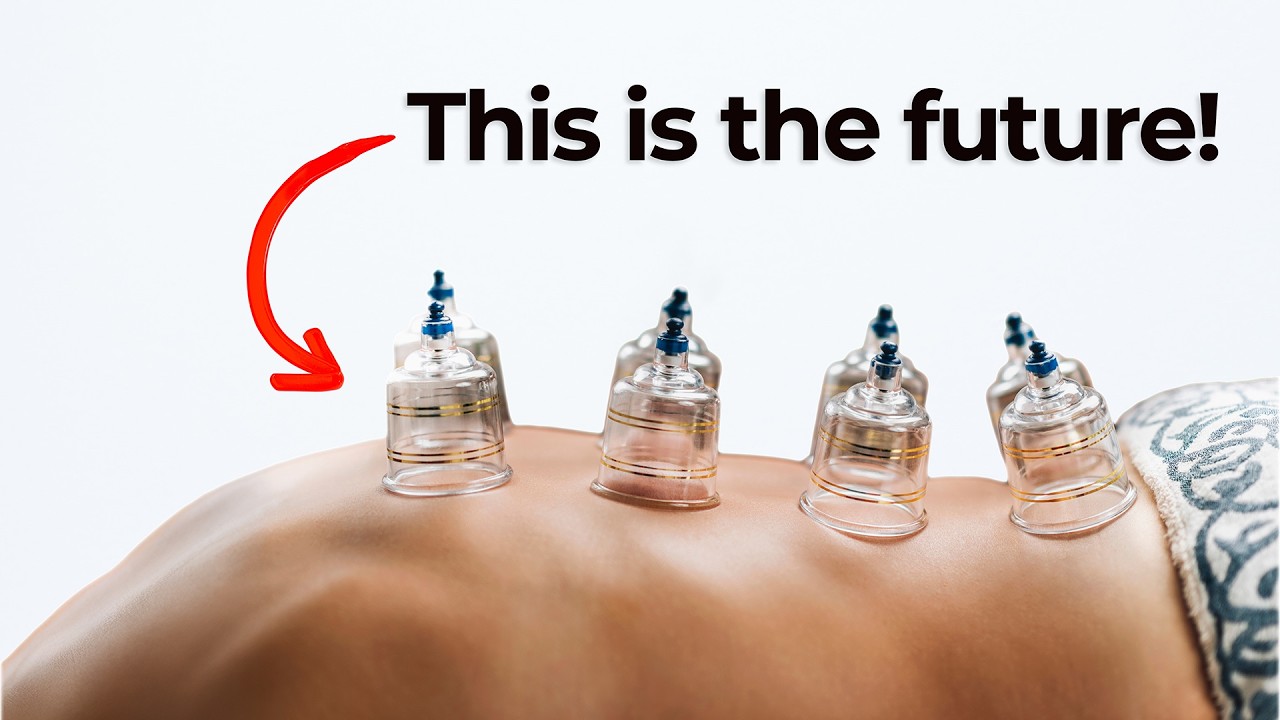
In this episode of Bio Break, Nick and Nigel explore a surprising approach to injection pain reduction using suction technology. What started as an unusual product order at StarFish Medical led to important insights on improving patient comfort during injections.
How Suction Helps Reduce Injection Pain
Nigel explains how he once ordered a small suction device to test whether suction could ease discomfort at the injection site. Traditional suction cups were too large, so a smaller version was sourced. Applying suction before or during an injection may modify how the body senses pain. The skin is drawn slightly upward, creating space for the medication. This allows better absorption and reduces contact with nerves that trigger discomfort.
Simple Technique, Multiple Benefits
Suction-assisted injections may offer more precise control of injection depth. When tissue is expanded, healthcare providers can place the drug more accurately. This approach could improve drug delivery outcomes while making injections more tolerable for patients who fear needles. As Nick notes, nurses sometimes pinch the skin before injections, using a similar principle to reduce pain.
Potential Applications for Injection Pain Relief
This technique may work well for standard injections and may even pair with microneedle devices. By combining suction with microneedles, developers could create new devices that offer pain-free injection methods. For many patients, reducing injection pain improves compliance with treatment, helping them receive care they might otherwise avoid.
A Promising Direction for Medical Device Innovation
Nick and Nigel highlight how simple mechanical approaches like suction may transform how we think about injection pain reduction. As research continues, these techniques may offer new options for more comfortable drug delivery.
Related Resources

Nigel Syrotuck breaks down REACH SVHC compliance for teams working with material suppliers and compliance questionnaires.

We examine when computational modelling and simulation, or CM&S, genuinely supports medical device simulation strategy and when it becomes a costly detour.
Many teams still underuse CM&S, often bringing it late in device validation, when key decisions have already been made. That approach leaves much of the value of CM&S untapped.

This article traces the Pennes bioheat equation from its 1948 origins to modern multiscale approaches, explaining how engineers select the right level of modelling complexity across device categories.