

Why Microneedles Still Matter in Drug Delivery
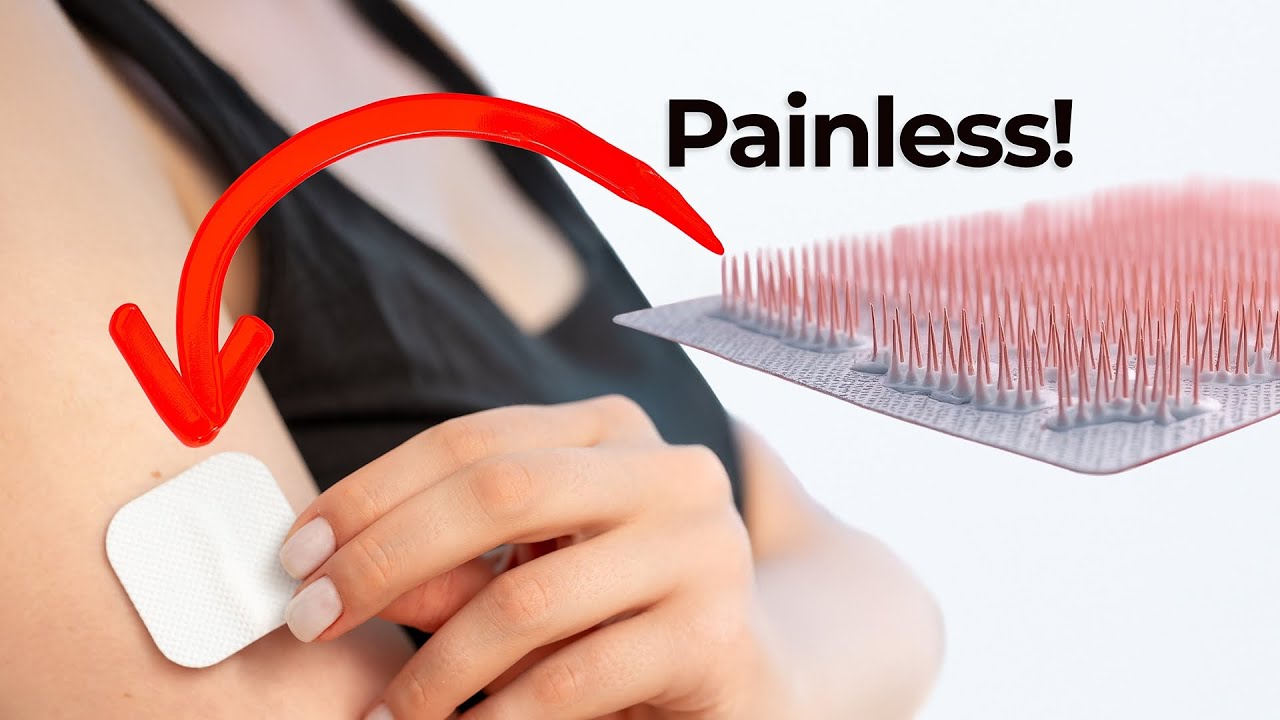
In this episode of Bio Break, Nigel and Nick explore microneedle drug delivery—a growing field in medtech that aims to improve patient comfort and treatment compliance. While the term “microneedles” may sound futuristic, this technology has been around for years. The goal? Deliver medicine through the skin with less pain, less fear, and fewer barriers to care.
What Is Microneedle Drug Delivery?
Microneedles are tiny structures, often as small as a human hair, that can puncture the skin’s outer layer to administer medication. Some dissolve into the skin, while others act as miniature hollow syringes. Unlike traditional injections, microneedle drug delivery can avoid deeper nerve endings—meaning less pain for the patient.
Advantages Over Traditional Injections
The key benefit of microneedles is improved patient compliance. Many people skip essential treatments due to needle anxiety. By minimizing discomfort, microneedles make it easier for patients to stick with treatment plans. This approach could be especially useful for vaccines, hormone therapies, or chronic care where regular administration is needed.
Limitations and Drug Compatibility
Not all medications are suitable for microneedle delivery. Larger molecules may not pass through the tiny channels or could be damaged by shear forces. Product developers must consider drug formulation, molecule size, and delivery speed when selecting this method.
Future Outlook and Applications
Microneedle drug delivery has potential in both consumer health and clinical use, but widespread adoption depends on finding scalable applications. The technology continues to evolve, particularly in pairing with biologics and nanoparticles.
Related Resources

Nigel Syrotuck breaks down REACH SVHC compliance for teams working with material suppliers and compliance questionnaires.

We examine when computational modelling and simulation, or CM&S, genuinely supports medical device simulation strategy and when it becomes a costly detour.
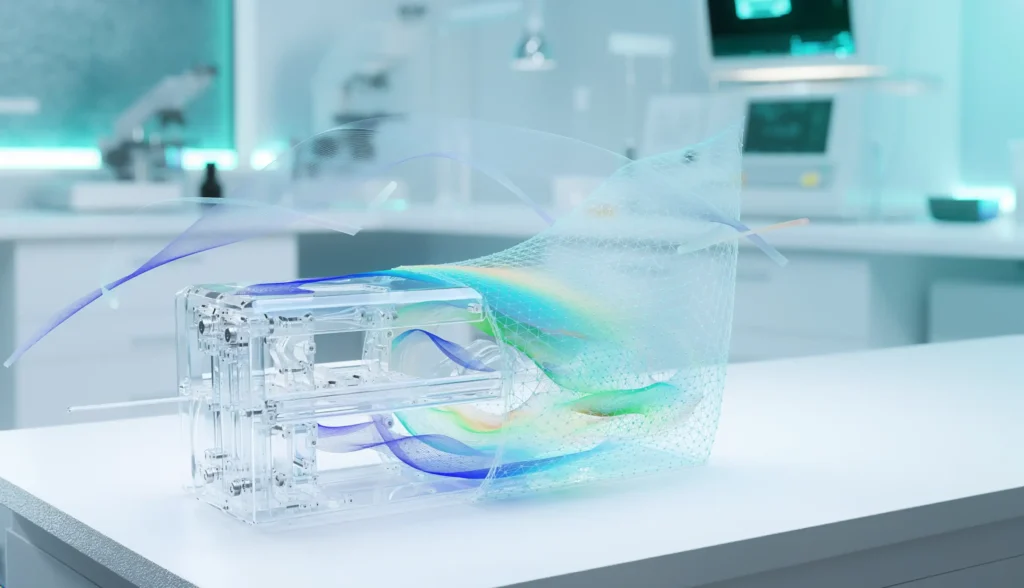
Many teams still underuse CM&S, often bringing it late in device validation, when key decisions have already been made. That approach leaves much of the value of CM&S untapped.

This article traces the Pennes bioheat equation from its 1948 origins to modern multiscale approaches, explaining how engineers select the right level of modelling complexity across device categories.