
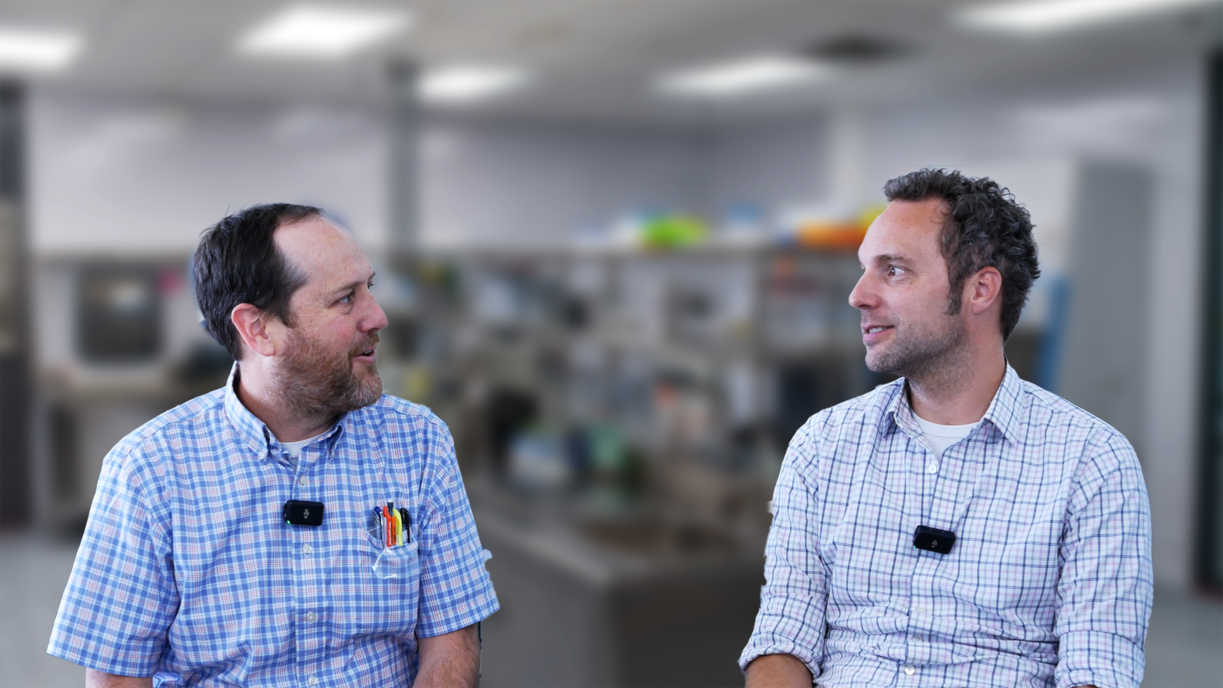
Bio Break: From Concept to Clinical

In this episode of Bio Break, Nick Allan and Joris van der Heijden revisit one of StarFish Medical’s most successful Pathfinder journeys, showcasing how a bold research concept evolved into a fully realized clinical diagnostic device.
The story begins over a decade ago when a client approached StarFish Medical with a breakthrough breath diagnostic concept. Their research had identified a unique analyte detectable in breath samples that promised a much clearer and faster diagnosis than existing tests. But the concept was still in its infancy and needed structured guidance, funding, and technical grounding to become a real medical device.
This is where the Pathfinder Program came in. The client engaged StarFish Medical to map out the best route to commercialization. The team produced a 200-page Pathfinder report packed with competitive analysis, target product profile development, reimbursement strategy, and detailed intellectual property evaluations. The industrial design team contributed stunning photorealistic renders, which became key assets in investor presentations and helped secure critical early funding.
With a clear path defined, StarFish Medical moved forward with iterative prototyping. Initial functional mock-ups helped evaluate sensors and control systems, leading to a clinical-ready prototype used in preliminary trials. The device performed beautifully, validating the original hypothesis and paving the way for final development stages.
Years later, that device is now in market, delivering accurate diagnoses and changing patients’ lives. In fact, during a MedTech conference, a user of the device approached the StarFish Medical team to share how it had transformed their health and lifestyle.
This new Bio Break episode is a powerful example of how Pathfinder engagements at StarFish Medical accelerate medical device innovation. It’s about more than a report—it’s about unlocking ideas, de-risking decisions, and setting a strong foundation for MedTech success.
Related Resources

The hourly rate is only a starting point when you choose a medical device engineering firm. Learn how to judge team staffing, in-house disciplines, facilities, ISO 13485 scope, and track record before you sign.

Medtech leaders expect connected products to take over their portfolios within five years. Three years of actual FDA clearance filings show a real climb, just a much more gradual one.

Learn why supply chain, process, cost, and quality gaps stall cleared devices, and why they are decided during design.

From skipping the doers to estimating toward a target budget, these ten project estimation pitfalls explain why good estimates go wrong and what to do instead.