

Bio Break: How Ablation Technology Is Transforming Surgery
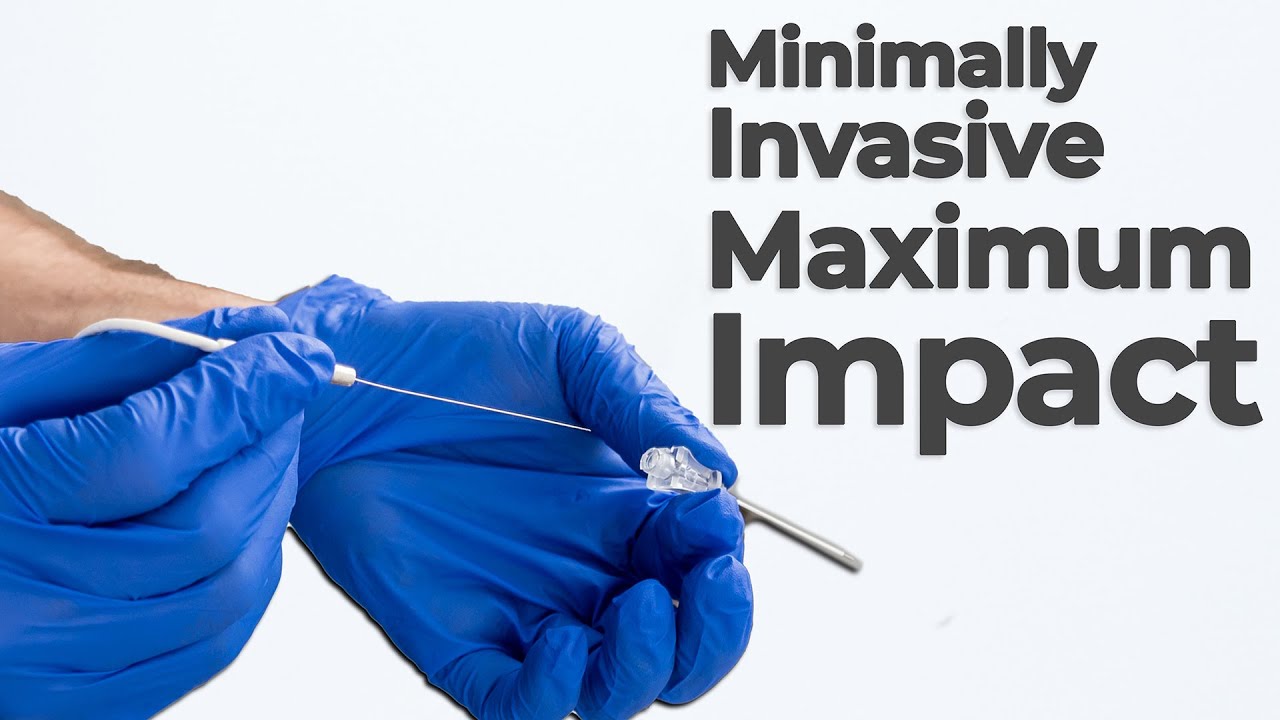
In this episode of Bio Break, Nick Allan and Joris van der Heijden dive into one of the most impactful trends in modern medtech: minimally invasive surgery. Ablation technology plays a crucial role as hospitals and healthcare providers aim to reduce patient recovery times and overall system strain. Technologies like ablation have emerged as a powerful tool for treating conditions once requiring intensive surgeries.
Joris explains how ablation enables tissue removal without the need for large incisions. Whether it’s chemical, electrical, or thermal ablation, these methods allow clinicians to precisely target and destroy problematic tissues. The result? Less time in the hospital, faster healing, and a more comfortable experience for patients. Nick shares that while he once expected such treatments to be reserved for serious operations, technologies like ablation are now being used in areas like tumor removal, pain management, and cardiac arrhythmia treatment.
The two highlight how a flexible catheter can navigate the body to reach affected tissue sites without opening up the patient. From chronic back pain to small tumor removal, ablation technology delivers precise, targeted therapy with far fewer complications than traditional surgical procedures.
But with all its benefits, ablation isn’t without its limitations. Because the body isn’t fully opened up, visibility is limited—requiring more sophisticated imaging technologies to guide the process. As Joris points out, this often restricts the procedure to larger clinical centers, but the benefits to both patients and the healthcare system are still profound.
Whether you’re a developer of medical technologies, a healthcare provider, or simply curious about how next-gen surgical tools are reshaping patient care, this episode covers the significance of ablation technology and offers an informative and approachable look at a high-impact innovation.
Related Resources

The hourly rate is only a starting point when you choose a medical device engineering firm. Learn how to judge team staffing, in-house disciplines, facilities, ISO 13485 scope, and track record before you sign.

Medtech leaders expect connected products to take over their portfolios within five years. Three years of actual FDA clearance filings show a real climb, just a much more gradual one.

Learn why supply chain, process, cost, and quality gaps stall cleared devices, and why they are decided during design.

From skipping the doers to estimating toward a target budget, these ten project estimation pitfalls explain why good estimates go wrong and what to do instead.